


When a fresh player registers at Honeybetz Casino in Belgium, the thrill of signing up is followed by a request for identity verification https://honeybetzcasinobe.com/login/. This procedure—called Know Your Customer, or KYC—isn’t a casual administrative hurdle. It’s a legal requirement built into the framework of every regulated gambling site. Belgian regulators, backed by European directives, demand that licensed operators authenticate every person who opens an account. The goal: prevent financial crime, exclude minors, and protect the platform’s integrity. For you, KYC starts the moment you submit the sign-up form. The login page is your entry point, but complete access to withdrawals and unlimited play is blocked until you finish the verification checklist. Understanding this process in advance cuts friction and establishes realistic expectations about how long it takes and the documents you must provide.
Accepted Document Types and Common Rejection Triggers
Residents of Belgium can pick from several ID types, but the automated verification engine doesn’t treat them all the same. The Belgian eID card is the top choice—its chip and standard layout make data extraction consistent. A valid international passport works too, as long as the machine-readable zone at the bottom is intact and legible. Residence permits from the Belgian immigration office are recognized for non-nationals living legally in the country. Driving licences, though, are generally not approved as a primary ID for gambling KYC in Belgium because they don’t show nationality or residence. For proof of address, you must have a recent utility bill (gas, electricity, water, internet), a bank statement from a recognized Belgian bank, or a tax assessment notice. Mobile phone bills are occasionally declined because they’re easy to get with minimal identity checks. Common rejection reasons: an expired document, a photo that cuts off the edges of the ID, a utility bill older than three months, or a selfie with sunglasses or a hat covering part of your face. Name mismatches are another big one—if the registration form says “Jean-Pierre” but the ID says “Jean Pierre” without the hyphen, the system might flag it. You can prevent these setbacks by checking these points before you hit upload:
- Make sure your identity document has at least one month of validity left. An expired eID gets rejected instantly by the automated system.
- Capture the document on a dark, flat surface in natural daylight to avoid shadows and glare that can hide the hologram or text.
- Open the utility bill PDF straight from the provider’s portal instead of scanning a printed copy. Digital originals carry metadata that speeds up verification.
- Deactivate any filters or beauty modes on your camera before taking the liveness selfie. Those can distort the biometric comparison algorithm.
If a rejection happens, the platform transmits an email and an in-app notification with the exact reason. You can log in, go to the verification center, and re-upload the corrected document. There’s no limit on retries, but each new attempt puts you back at the end of the review queue. Belgian players who use the Itsme app for digital identity verification might find that Honeybetz Casino supports this method as an alternative. It lets you share verified eID data through Itsme, giving you near-instant verification and skipping the manual upload entirely—often under a minute.
In-depth Due Diligence and Ongoing Monitoring
KYC at Honeybetz Casino continues after your first documents are accepted. Belgian rules mandate a risk-based approach, so certain account behaviors prompt extra checks. If you put in large sums right after verification, or if you perform rapid deposits and then immediately request a withdrawal, you might be requested for more documents—like a bank statement showing the source of the funds, a payslip, or a tax return. This is no accusation; it’s a compliance step to separate normal play from possible money laundering. The platform also conducts periodic reviews on a risk-refresh cycle. An account verified two years ago may be required to resubmit a proof of address if the original document’s date has passed. Politically exposed persons (PEPs) undergo stricter scrutiny under Belgian anti-money laundering law. If your status changes and you become a PEP, you must tell the operator. Behind the scenes, compliance software constantly checks account activity against sanction lists and adverse media databases. If something matches, the account gets temporarily suspended until a human analyst resolves the alert. For the vast majority of Belgian players who play casually, these ongoing checks run invisibly in the background and never disrupt the fun. You can still sign in and play as long as your account stays in good standing.
Step-by-Step Registration and Preliminary Verification
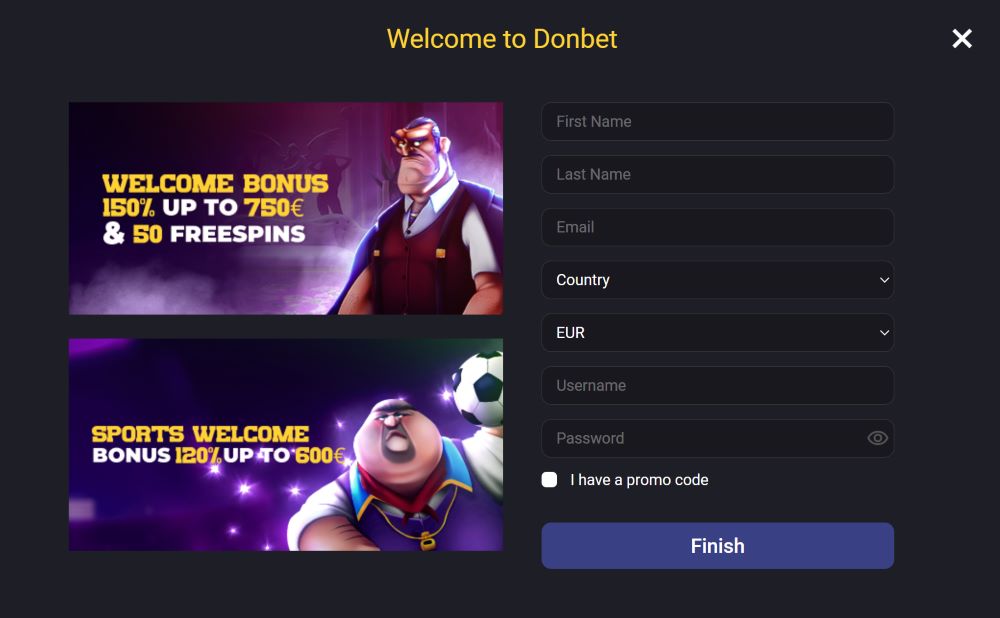
The process from a blank screen to a completely confirmed account at Honeybetz Casino has a clear sequence that collects precise details without being too much. The initial stage is the registration form: it requests your legal name, date of birth, place of residence in Belgium, national register number, and a valid email address. Getting these details right is critical—any mismatch between the form and your submitted files will cause a manual inspection and a delay. As soon as you send the form, the system sends a verification link to your email. Activate it to activate the account and get to that first restricted login. dit artikel Then the platform requires you to fulfill the first verification level, which typically involves these steps:
- Submit a sharp, full-color photo or photo of your Belgian identity card, passport, or residence permit. The scan must reveal all four corners and have no reflections hiding the text.
- Supply a up-to-date address document—a service bill, bank statement, or government letter dated within the last three months. The name and address must correspond to your registration details perfectly.
- Perform a liveness check by taking a current selfie through the platform’s secure interface. The system compares your facial features to the photo on your ID.
- Enter a valid mobile phone number and verify it with an SMS code, creating a additional layer of contact verification.
After you upload everything, the automated system performs checks. Text recognition extracts the text from your ID and compares it to the registration fields. The address document is validated against a address database to verify it’s a genuine address in Belgium. The selfie gets analyzed for spoofing—things like a paper photo or a screen recording. If all checks pass, your account reaches approved status within minutes. If something gets flagged, a verification specialist reviews the case manually, which can take a short time or up to a single working day. While you are pending, you can log in and check your verification status on a verification widget that indicates whether your documents are pending, approved, or declined with a status code.
Why KYC Matters for Belgian Players
Belgium has one of Europe’s most stringent regulatory frameworks for online gambling, with the Belgian Gaming Commission in charge. Every licensed operator, Honeybetz Casino included, is required to follow anti-money laundering rules that necessitate thorough customer checks. If you live in Antwerp, Ghent, or Charleroi, the platform is legally bound to verify that the person behind the screen is a real adult resident with a legitimate source of funds. KYC stops underage gambling by matching the date of birth on a government ID. It also hinders identity theft: a fraudster cannot easily dodge a multi-step verification that compares a passport or eID against a selfie and a proof of address. Belgium’s tax and social protection systems gain indirectly too, because verified accounts lower the risk of unregistered cash flows. Once you see KYC as a protective shield rather than a roadblock, the document request appears less intrusive—more like a standard security step that secures everyone on the platform.
In what manner KYC Connects to the Login and Enrollment Flow
At Honeybetz Casino, KYC starts the moment you finish the registration form and log in for the first time. That first login unlocks a restricted dashboard—your account is active, but you cannot deposit or play for real money yet. A banner or notification usually asks you to verify your identity before you are able to make a deposit or place a real-money bet. This design is intentional: you are able to browse the game lobby in demo mode while the compliance team reviews your documents in the background. The login page continues as the single entry point, but behind the scenes your account status changes between unverified, pending, and verified. If a Belgian player attempts to withdraw without completing KYC, the system automatically prevents the request and directs them to the verification center. This tight link between the login gate and the KYC module means no financial transaction slips past the scrutiny Belgian law requires. It also means you should get your documents ready right after signing up, so you’re not stuck waiting when you desire to cash out.
Data Security and Privacy Under Belgian Law
Providing sensitive personal documents to an online platform understandably makes people worry about data security. Honeybetz Casino adheres to the General Data Protection Regulation as it’s written into Belgian law, which establishes strict rules for how identity documents are held, processed, and eventually removed. Your uploaded eID scans and utility bills are secured both in transit and at rest with AES-256 encryption. Only a small team of compliance officers can enter the document repository, and they’re committed by confidentiality agreements. Every access is logged and audited. Belgian players have the right to request a copy of all personal data held on file, and you can request for your documents to be deleted once the business relationship ends—though anti-money laundering law requires a retention period that overrules the general right to erasure under GDPR. That period is typically ten years after your last transaction. The platform’s privacy policy, which you can view from the registration page, spells out exactly what each document is used for. Identity documents are only used for verification and fraud prevention; they’re never shared with third-party marketers or used for profiling that isn’t linked to regulatory compliance. The liveness selfie is handled in memory and isn’t kept as a raw image. Instead, a mathematical template of your facial features is created and maintained for future step-up authentication. For a Belgian player who is concerned about privacy, understanding these safeguards indicates that the KYC process is designed around data minimization and security.
Useful Advice to Speed Up the Verification Process
A smooth KYC experience at Honeybetz Casino is largely in your hands. Getting ready before you even access the registration form is the ultimate way to avoid back-and-forth document requests. Belgian players should have their eID card reader plugged in or the Itsme app set up and running on their smartphone before they visit the login page. If you’re not using Itsme, storing a high-resolution photo of your eID kept in your phone’s gallery, plus a digital copy of a recent bank statement, cuts upload time to under two minutes. It’s also smart to verify that the residential address on your utility bill aligns with exactly what you type during sign-up—right down to the postal code and municipality name in one of Belgium’s official languages. The verification system checks strings character by character, so “St.-Niklaas” versus “Sint-Niklaas” can trigger a mismatch. Use the same spelling that appears on your official document. Timing matters too: submitting documents during Belgian business hours on a weekday often obtains faster manual reviews because the compliance team is fully staffed. Uploading late on a Friday evening might mean waiting until Monday morning for a human to handle any flagged issues. And keep your mobile phone nearby during the process—the SMS verification code runs out fast. Consider KYC as a core part of setting up your account, not an afterthought, and you’ll go from the login screen to your first withdrawal with little friction and full confidence that your identity is protected.